Commercial HVAC systems are the silent workhorses of any successful business. They keep us comfortable, functional, and generally alive. However, these vital arteries are susceptible to a creeping, sticky menace: grease. When cooking operations, food service, or industrial kitchens are nearby, airborne fats and oils settle into the ductwork, creating a highly combustible, sticky sludge. Ignoring this buildup is like leaving a stack of matches next to a kerosene lamp. It’s a problem that demands immediate, professional attention. Understanding the scope of grease buildup removal from commercial ductwork is not merely about cleaning; it is a critical investment in safety, efficiency, and the longevity of your physical asset.
The Hidden Dangers of Neglecting Ductwork Cleanliness
The issue of accumulated grease is far more complex than just an aesthetic concern. This sticky residue acts as a perfect fuel source, creating a ticking time bomb within your building's ventilation system. The risks associated with neglected ducts can range from minor efficiency dips to catastrophic structural failure.
Health Hazards and Air Quality Degradation
When grease and particulate matter build up, they don't just look bad; they actively compromise the air you breathe. Over time, this buildup can harbor mold, mildew, and bacterial spores. If your ductwork is clogged and dirty, are you really confident that the air flowing through it is pure?
- Allergens: The trapped grime acts as a breeding ground for common allergens, triggering respiratory issues for employees and patrons alike. Poor Air Circulation: Heavy buildup restricts airflow, forcing the HVAC system to work harder than intended, which can lead to inadequate ventilation in critical areas.
The Extreme Risk of Fire and Efficiency Loss
This is the most critical aspect. Grease is a potent accelerant. When the ductwork is heavily coated, the system’s internal components—like heating elements or motor parts—can generate enough heat to ignite the accumulated material.
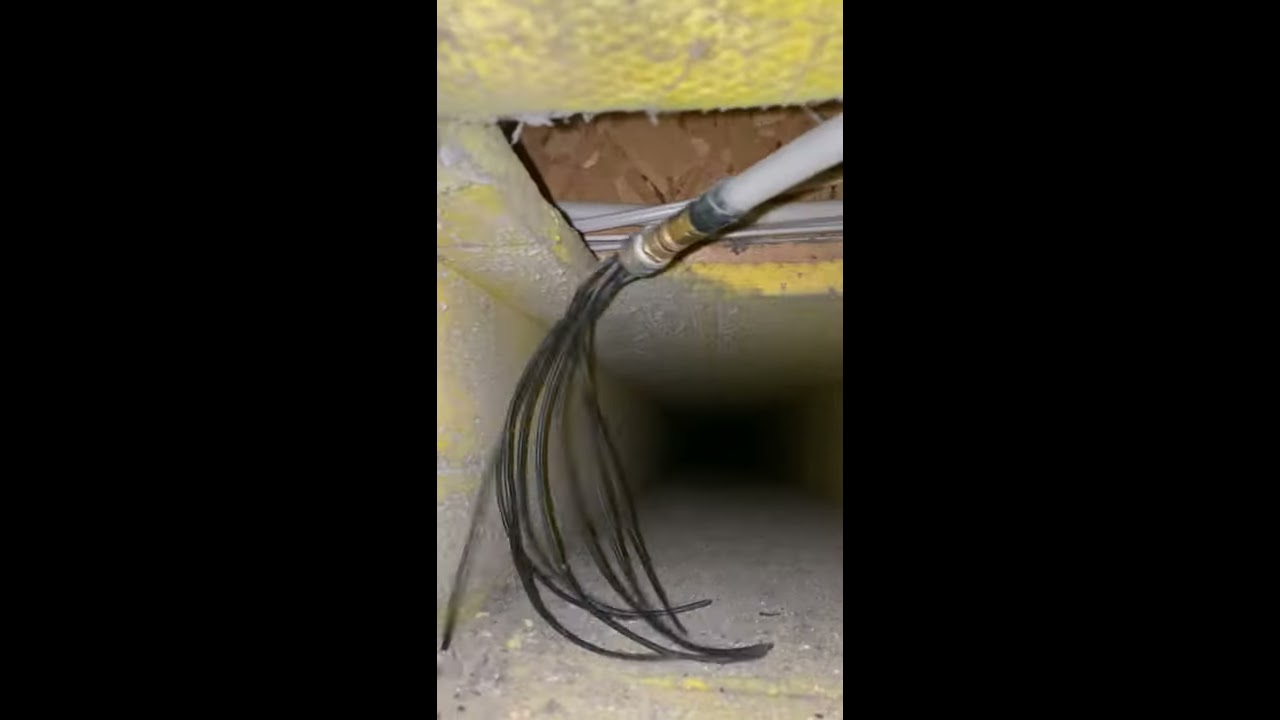
The consequences of a grease fire are devastating. Beyond the immediate loss of life and property, the resulting damage can cripple a business for months. Furthermore, the sheer weight and resistance provided by the sludge drastically reduce the system’s efficiency. A dirty system is like trying to run a marathon with a lead backpack—it simply doesn't perform.
Professional Techniques for Grease Buildup Removal from Commercial Ductwork
Addressing this problem requires more than just a strong brush and a bucket of water. It demands specialized equipment, certified expertise, and a deep understanding of commercial HVAC dynamics. The process of professional grease buildup removal from commercial ductwork is meticulous and systematic.
Initial Inspection and Risk Assessment
Before a single piece of equipment touches the duct, a thorough inspection is mandatory. Technicians must assess the type and severity of the buildup, identify potential structural weaknesses, and determine the exact source of the grease contamination. This initial assessment is key; it's like reading the map before starting a challenging hike.

This step allows the service provider to create a tailored plan, ensuring that the cleaning methods used are appropriate for the specific materials (metal, fiberglass, etc.) and the level of https://thorneggws.raindrop.page/bookmarks-71439850 contamination present.
Advanced Cleaning and Remediation Methods
The actual cleaning process is a multi-stage operation. It involves specialized tools designed to safely dislodge the hardened fats and oils without damaging the ductwork. These methods are far removed from a simple vacuuming job.
Technicians typically use a combination of techniques:
- High-Powered Vacuuming: Removing loose, superficial debris. Chemical Degreasers: Utilizing commercial-grade, non-corrosive solvents that break down the molecular structure of hardened grease. Mechanical Scrubbing: Employing specialized rotating brushes and vacuum systems to physically scrape and remove the adhering sludge.
One client, a large bakery operation, had an incredibly thick layer of caramelized sugar and fat. We found that simply vacuuming wasn't enough; we had to use a specialized solvent followed by mechanical scrubbing, which restored the airflow and, more importantly, the peace of mind of their management team.
Making Your Selection Count: Choosing a Reliable Partner
Since the safety of your business depends on this process, choosing the right contractor is paramount. You cannot afford to treat this job like a DIY weekend project.
Credentials and Safety Protocols
A top-tier service provider must be more than just a cleaner; they must be certified safety experts. When investigating potential vendors, look for:
- Insurance and Licensing: Verifiable proof of comprehensive liability insurance is non-negotiable. Equipment: Confirmation that they use industrial-grade, commercial-specific equipment, not residential tools. Safety Plan: A clear plan detailing how they will isolate the system, manage waste disposal, and protect the building's occupants during the process.
As one industry expert wisely stated, "Preventative maintenance isn't an expense; it's an insurance policy against operational failure." Finding a reliable partner means finding someone who treats duct cleaning like a life-safety measure, not just a chore.
Frequency and Ongoing Maintenance
Think of duct cleaning as preventative dentistry for your building. It is not a one-time fix. Because commercial kitchens and industrial settings are constantly generating waste, regular maintenance is essential.
How often should you clean? This depends on the industry and local regulations, but generally, a routine inspection and deep cleaning cycle should be scheduled annually, or more frequently if the grease generation is high. Maintaining proper airflow is the key to preventing the buildup from becoming an overwhelming problem.
The proper execution of grease buildup removal from commercial ductwork is a cyclical process of inspection, cleaning, and prevention.
Sustaining a Safe and Efficient Environment
Keeping your ventilation system operating at peak performance is integral to your business's bottom line. By prioritizing the safe and thorough removal of accumulated grime, you are doing more than just making the air smell better. You are mitigating catastrophic fire risks, improving employee health, and ensuring that your HVAC system operates with maximum energy efficiency.
Don't wait for the alarm bells to ring. A professional assessment today can save you from a disaster tomorrow. By taking proactive steps toward routine, professional duct cleaning, you ensure that your commercial building remains a safe, efficient, and healthy place to operate.